
THE EGO FACTORS
IN SURRENDER IN ALCOHOLISM *
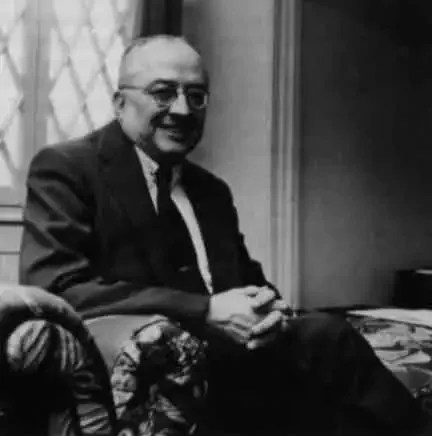
Harry M. Tiebout, M.D. Dr. Harry M. Tiebout, a psychiatrist, was an early pioneer in coupling the principles and philosophy of Alcoholics Anonymous with psychiatric knowledge of alcoholism. A strong supporter of A.A. throughout his life, he consistently worked for acceptance of his views concerning alcoholism the medical and psychiatric professions. He served on the Board of Trustees for A.A. from 1957 to 1966, and was chairman of the National Council on Alcoholism in
UNDERSTANDING EGO AND SURRENDER IN ALCOHOLISM
Introduction
Recovery from alcoholism involves more than simply stopping drinking. It requires a deeper inner change. Two key questions are at the center of this idea: what exactly must change in a person, and what happens inside when that change takes place?
One answer is that a person must let go of an oversized ego. This means a strong inner attitude of pride, self-importance, and resistance to reality. The first part of this article explains what that ego looks like.
The word “ego” can be confusing because it has different meanings in everyday speech and in psychology. Here, it is used in the everyday sense: a person who feels overly important, self-focused, and unable to accept limits well.
This common meaning matters because most readers can understand it easily. It points to a set of behaviors that all come from the same source: putting oneself first and having trouble seeing life in a balanced way.
Psychologists also use the word “ego” in a more technical way, which can make the discussion harder to follow. The main concern here is much simpler: the self-centered attitude that can block recovery.
What “ego” means here
The word “ego” can cause confusion because experts do not always use it the same way. Still, most people understand what a “big ego” means, so the term is being used here in that everyday sense.
To make the point clear, “ego” here means the unhealthy, inflated sense of self that must be humbled. This is not mainly a technical psychological term. It is a pattern of pride and self-centeredness.
This kind of ego often shows up as pride, arrogance, stubbornness, impatience, a need for attention, or a strong urge to control situations and other people. Most people can recognize these traits in someone they know—or in themselves.
These behaviors are only the surface. Underneath them is a deeper emotional pattern. To understand recovery, it helps to understand the feelings that keep these behaviors alive.
This inflated ego is partly made of childish traits that continue into adult life. In other words, some people may grow older without fully growing out of certain immature emotional habits.
Three childlike traits matter here. First, a small child naturally feels like the center of the world. Second, a child does not handle frustration well. Third, a child wants things quickly and has trouble waiting. These same traits can continue into adulthood and become part of a destructive ego.
So, in simple terms, the unhealthy ego is built around three things: feeling overly important, not handling frustration well, and always rushing.
The next question is: what happens when these childlike traits stay active in an adult?
The answer is that they show up as emotional immaturity. A person may look grown up on the outside but still react inside like a child who must be first, must not be blocked, and must get what he wants quickly.
How immaturity shows up
To see this more clearly, imagine these childlike traits still working in an adult mind. If they remain strong, they shape how the person thinks, feels, and behaves.
For example, if a person keeps the childish need to do everything fast, that person may think fast, talk fast, act fast, and live under constant inner pressure.
Such a person may swing back and forth between rushing ahead and suddenly trying to slam on the brakes. This pattern can be seen in many people struggling with addiction.
This is one reason the pattern can be called immature. Immaturity often looks like impatience, quick decisions, oversized plans, and a strong push to achieve more than a person can realistically manage.
Another childlike trait is feeling unusually special. In an adult, this can become a hidden belief that ordinary life is beneath them, that they deserve more than others, or that they should have a more important place in the world.
A person like this may assume they should naturally be in charge. If life does not go their way, they may feel overlooked, mistreated, or blocked by other people.
Usually, people do not clearly see this pattern in themselves. They may notice that they are touchy, restless, or easily upset, but they do not understand the deeper attitude driving those feelings.
A hidden sense of self-importance can sit deep below the surface without the person recognizing it.
Trouble handling frustration
A third childlike trait is being unable to handle frustration well. This is a major part of addiction. A person with an inflated ego does not just dislike limits—he feels offended by them.
When life says “no,” “wait,” or “not now,” this kind of person experiences it as a personal blow. Being blocked feels unacceptable.
Underneath that reaction is a deeper belief: “I should not be stopped.” This creates constant pressure to keep moving, keep acting, and keep getting one’s way.
As a result, the person may live in constant tension. If something might slow them down, they worry. If they feel trapped, they may become anxious or panicked. When the pressure lifts, they feel temporary relief. This helps explain the restless “I’ve got to get somewhere” feeling many people in addiction describe.
When life finally does stop such a person—through illness, rules, consequences, or treatment—they may cooperate for a while. But if the deeper attitude has not changed, they may return to drinking as soon as they feel free again.
This kind of person often cannot wait, cannot let life unfold, and cannot be at peace where they are. They chase excitement, action, and movement, but end up trapped in the same cycle over and over.
In short, this person is driven by an inner “king” who must rush, must not be limited, and cannot accept frustration calmly.
It is not possible to keep the attractive parts of this ego-driven style while getting rid of the harmful parts. If the deeper pattern stays alive, it will keep causing trouble.
Learning a new way to live
People in Alcoholics Anonymous who truly embrace recovery are not dull or lifeless. Instead, they often become calmer, more open-minded, more realistic, and more able to enjoy life as it is.
Alcoholism is often tied to emotional immaturity. A person may still be carrying old habits of self-importance, impatience, and poor tolerance for frustration.
So what must surrender in recovery? It is this inflated ego.
Many spiritual and psychological traditions have expressed a similar idea: people often find peace only when they stop living as if everything revolves around themselves.
Other thinkers have also described this as reducing the old childish sense of self-importance. The important point is that the change must be deep and lasting.
Why partial change is not enough
It is not enough to soften the ego a little. If the old pattern remains alive underneath, it can quickly take over again and threaten recovery.
In plain terms, the old self-centered way of living must be replaced by a healthier one. A person may not do this perfectly, but recovery means moving steadily in that direction.
Surrender means truly accepting that one is not in control. For someone with alcoholism, this includes honestly admitting powerlessness over alcohol.
When that surrender is real, the opposite qualities begin to grow: humility instead of pride, patience instead of impatience, and openness instead of constant pushing and control.
The main point of the article is simple: the ego is a major enemy of lasting sobriety. Recovery requires more than stopping alcohol use; it requires a deep change in attitude and way of living.
A treatment example helps show how these ideas can appear in real life.
Consider a man in his late thirties with a long history of alcoholism who had repeatedly tried and failed to recover. Eventually, he agreed to enter treatment and seriously look at what was happening inside him.
During treatment, the man began to realize that his ego was not just an idea in his head. It was something he felt deeply. As he slowed down and became more honest, he could start to see the selfishness, pride, and emotional pressure that had been driving him.
He also came to see that he hated being stopped. In a powerful moment of insight, he recognized that taking a drink made him feel like “the boss” again. This shows how alcohol can temporarily restore a person’s inflated sense of control and importance.
The treatment challenge is not just to weaken the ego briefly, but to keep it from taking over again. This old pattern can return very quickly if a person is not careful.
Even if a person stops drinking, the ego can still come back in the form of resentment, restlessness, and unhappiness. In recovery language, this is sometimes called a “dry drunk.” Lasting peace often requires help beyond sheer willpower, including spiritual help for those who accept it.
Summary
In summary, recovery from alcoholism requires surrendering an inflated ego. That ego can be understood as a form of emotional immaturity marked by self-importance, impatience, poor tolerance for frustration, and a constant urge to push ahead. Real surrender replaces these traits with humility, patience, honesty, and a healthier way of living.
References
I Tiebout, H.M. “The Act of Surrender in the Therapeutic Process.” With special reference to alcoholism. Quart. J. Stud. Aic. 10: 48-58, 1949.
Tiebout, H.M. “Surrender Versus Compliance in Therapy”. With special reference to alcoholism. Quart. J. Stud. Aic. 14: 58-68,1953.
Rado, S. “The Psychoanalysis of Pharmachothymia (drug addiction). The clinical picture.” Psychoanal. Quart. 2: 1-23, 1933.


Leave a Reply